Get Indoor Air Quality Testing
Indoor Air Quality Testing services help property owners identify pollutants, allergens, and ventilation issues in homes or commercial spaces by connecting them with qualified local contractors.
Ensuring healthy indoor air quality is an important consideration for property owners looking to create a comfortable and safe environment. Indoor air quality testing helps identify potential issues such as allergens, pollutants, or mold that could impact the well-being of occupants. Whether planning a renovation, managing a property, or simply maintaining a healthy space, understanding the current air conditions can inform necessary improvements and support overall property care.
Property owners in the area may explore indoor air quality testing to compare local service providers and find solutions tailored to their specific needs. Connecting with experienced contractors can provide clarity on available testing options and help plan effective steps for improving indoor environments. Keep reading to learn more about how local professionals can assist with indoor air quality assessments and solutions.
- Indoor Air Quality Testing - when residents notice persistent odors or airborne irritants in their home or workplace.
- Ventilation System Evaluation - if a property experiences poor airflow or uneven temperature distribution.
- Mold and Allergy Trigger Assessment - in cases where occupants experience unexplained allergy symptoms or visible mold growth.
- HVAC System Inspection - when heating or cooling systems are not effectively filtering indoor air.
- Air Purifier Effectiveness Testing - to determine if existing air purification devices are adequately improving indoor air quality.
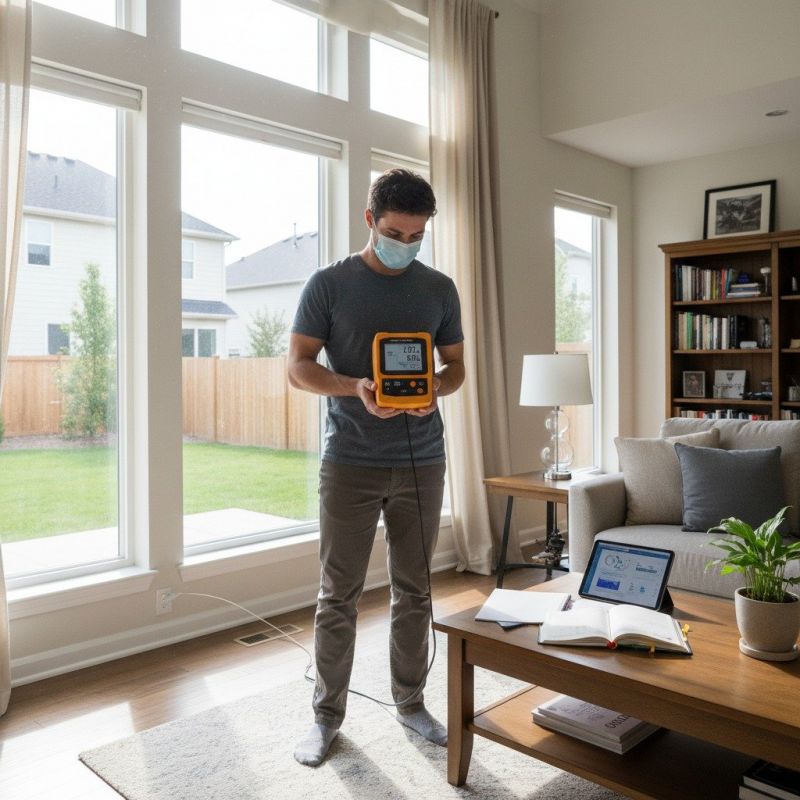
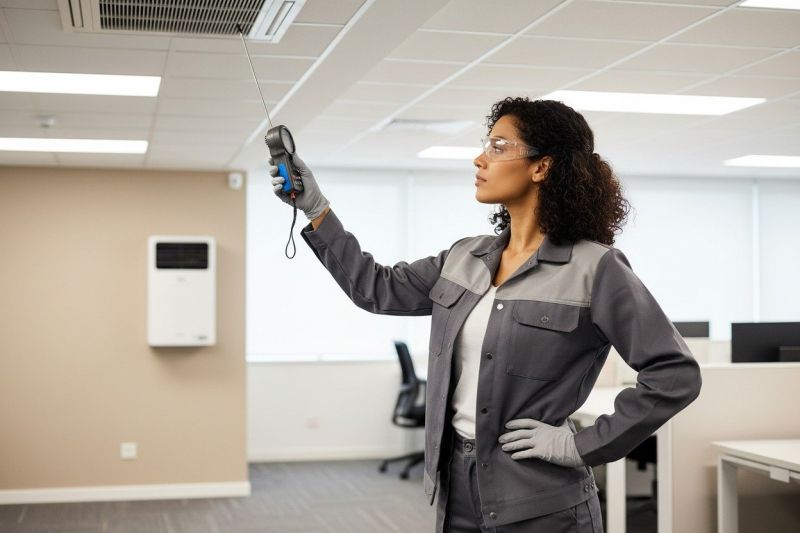

Indoor air quality testing services involve a comprehensive assessment of the air inside a property to identify potential pollutants and contaminants. Trained service providers use specialized equipment to measure levels of common indoor pollutants such as dust, mold spores, volatile organic compounds (VOCs), allergens, and other airborne particles. The testing process often includes collecting air samples and analyzing surface areas to determine the presence and concentration of harmful substances. This helps homeowners understand the quality of their indoor environment and identify any issues that may be affecting health or comfort.
These services are particularly valuable for resolving problems like persistent allergies, unexplained respiratory issues, or noticeable odors within a home or commercial space. Poor indoor air quality can contribute to symptoms such as sneezing, coughing, headaches, or fatigue. Testing can uncover hidden sources of contamination, such as mold growth behind walls, indoor pollutants from cleaning products, or inadequate ventilation. By pinpointing the specific causes of air quality concerns, property owners can take targeted steps to improve their indoor environment and promote healthier living or working conditions.
Indoor air quality testing is commonly used in a variety of property types, including single-family homes, apartments, offices, and commercial buildings. Homes that have experienced water damage, mold growth, or recent renovations often benefit from testing to ensure the air is safe to breathe. Additionally, properties with occupants suffering from allergies, asthma, or other respiratory conditions may require testing to identify allergen levels or irritants. Commercial spaces such as healthcare facilities, schools, or hospitality venues also utilize testing to meet health standards and maintain a safe environment for employees and visitors.
For homeowners considering indoor air quality testing, working with experienced local contractors can provide clarity and peace of mind. These service providers can accurately identify air quality issues and recommend appropriate solutions based on the findings. Whether addressing specific health concerns or simply wanting to ensure a safe indoor environment, property owners can contact local pros to schedule testing services. This step can be an important part of maintaining a healthy, comfortable space for everyone inside.
The overview below groups typical Indoor Air Quality Testing projects into broad ranges so you can see how smaller, mid-sized, and larger jobs often compare in your area.
In many markets, a large share of routine jobs stays in the lower and middle ranges, while only a smaller percentage of projects moves into the highest bands when the work is more complex or site conditions are harder than average.
Basic Testing - For straightforward indoor air quality tests, local contractors typically charge between $250 and $600. Many routine assessments fall within this range, covering common issues like mold or allergens. Larger or more detailed tests can cost more depending on the scope.
Standard Inspection - A standard indoor air quality inspection usually costs between $600 and $1,200. This range is common for homes or small commercial spaces needing comprehensive testing. Fewer projects reach into the higher end of this band.
Advanced Testing - More complex or specialized testing, such as for chemical pollutants or VOCs, can range from $1,200 to $3,000. Many projects fall into this middle range, with some larger, more involved tests exceeding $3,000.
Full Indoor Air Quality Evaluation - Extensive evaluations involving multiple tests and detailed analysis can cost $3,000 or more, with larger projects potentially reaching $5,000+. These are typically reserved for significant concerns or commercial properties, though most jobs are in the lower to middle tiers.
Actual totals will depend on details like access to the work area, the scope of the project, and the materials selected, so use these as general starting points rather than exact figures.
HVAC System Inspection - Professionals evaluate heating, ventilation, and air conditioning systems to identify airflow issues that can impact indoor air quality.
Mold and Mildew Assessment - Service providers detect mold growth and moisture problems that may compromise indoor air environments.
Ventilation System Installation - Contractors install or upgrade ventilation solutions to improve air circulation and reduce indoor pollutants.
Air Purifier and Filtration System Setup - Experts recommend and install air cleaning devices that enhance indoor air quality.
Duct Cleaning Services - Local contractors clean and maintain ductwork to remove dust, debris, and allergens that affect air quality.
Environmental Monitoring - Specialists perform air sampling and testing to identify contaminants and assess indoor air conditions.
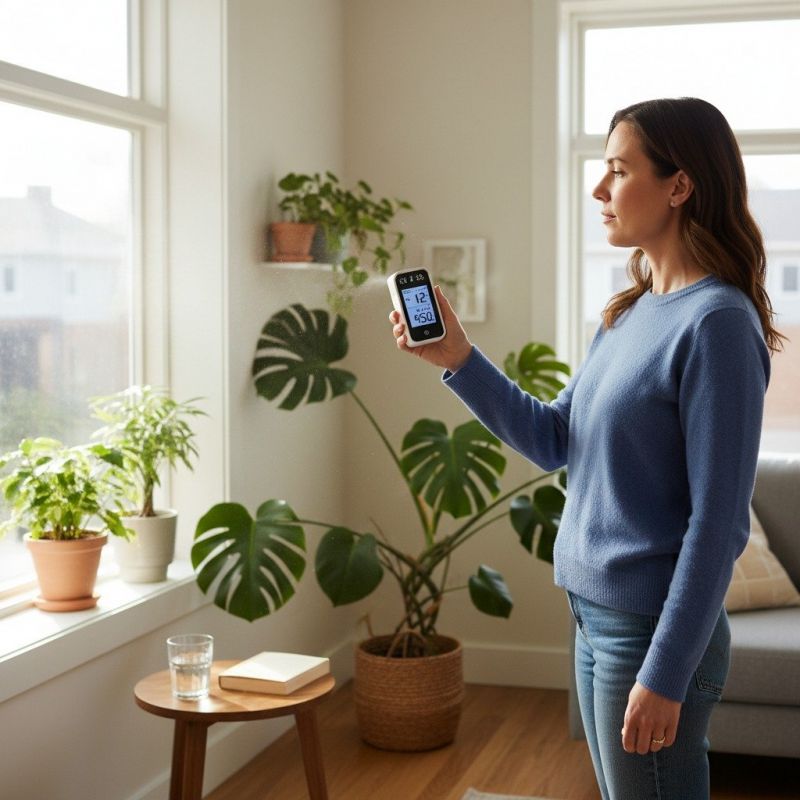
When comparing indoor air quality testing services, it’s important to consider the experience of local contractors with similar projects. Homeowners should look for providers who have a proven track record of handling indoor air assessments in residential settings comparable to their own. This background can indicate familiarity with common issues, appropriate testing methods, and the ability to deliver accurate results. Gathering information about a service provider’s past work can help ensure that the chosen professional is well-equipped to address specific concerns related to indoor air quality.
Clear, written expectations are essential when evaluating potential service providers. Homeowners should seek detailed descriptions of what the testing process entails, what types of tests will be performed, and what the results will include. Transparent communication about the scope of work helps prevent misunderstandings and ensures that both parties have aligned expectations. Reputable local contractors often provide this information upfront, making it easier for homeowners to compare options and select a provider whose approach matches their needs.
Reputable references and effective communication are key factors to consider during the selection process. Homeowners can ask for references from previous clients to gain insights into the quality of service and reliability of the provider. Additionally, responsiveness and clarity in communication are signs of professionalism and can make the testing process smoother. It’s worth noting that this site introduces homeowners to local options for indoor air quality testing services, acting as a resource to connect with qualified service providers-rather than performing the work itself.
Property owners use Indoor Air Quality Testing services for practical projects around their homes and businesses. This guide focuses on everyday jobs and straightforward project options.
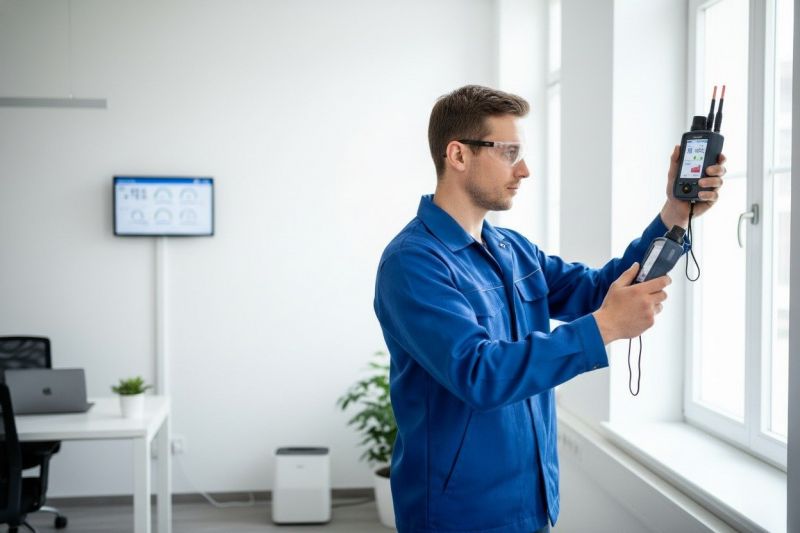
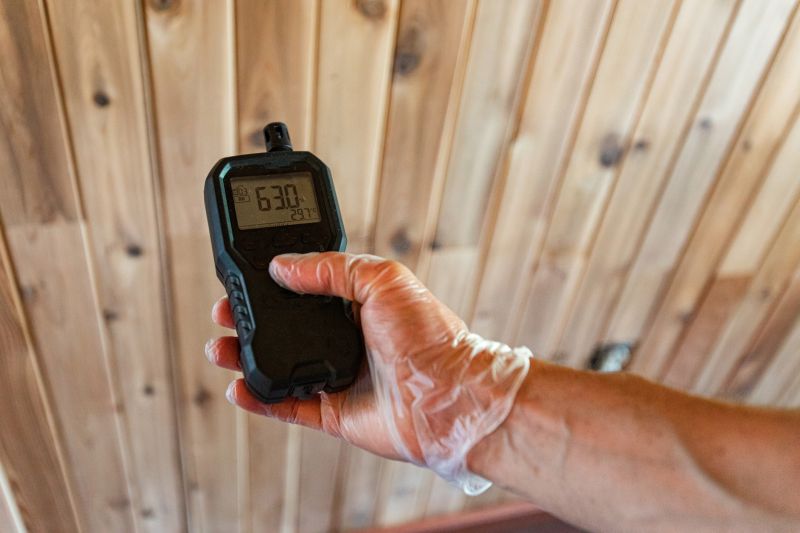
Indoor air quality testing services are often sought after by property owners experiencing issues such as persistent allergies, unexplained odors, or visible mold growth. Homeowners and business owners might also consider testing when renovating or purchasing a new property to ensure the air remains safe and healthy. Local contractors specializing in air quality assessments can identify potential sources of indoor pollutants, helping property owners make informed decisions about their spaces and improve overall comfort.
In addition, property owners may look for indoor air quality testing when noticing symptoms like headaches, respiratory irritation, or fatigue that seem linked to indoor environments. It’s also common for landlords or facility managers to request testing to maintain safe living or working conditions. Local service providers can perform these assessments efficiently, providing insights that can lead to targeted solutions and a healthier indoor environment.
What is indoor air quality testing? Indoor air quality testing involves assessing the air inside a building to identify pollutants, allergens, and other airborne contaminants that may affect health and comfort.
Why should I consider indoor air quality testing? Testing can help detect issues like mold, dust, or volatile organic compounds (VOCs), enabling you to address potential health concerns and improve overall air conditions.
How do local contractors perform indoor air quality testing? Certified service providers use specialized equipment to collect air samples and analyze them for common indoor pollutants, providing insights into air quality levels.
What types of pollutants can indoor air quality testing identify? Testing can detect mold spores, dust particles, pet dander, VOCs, and other airborne substances that might impact indoor air health.
Is indoor air quality testing suitable for all homes? Yes, testing can be beneficial for any residence, especially those experiencing odors, allergies, or unexplained respiratory issues.
Indoor Air Quality Testing Benefits - Property owners can identify potential sources of indoor pollutants to improve overall air safety in homes and offices.
Air Quality Monitoring Solutions - Homeowners can use testing services to assess whether their indoor environment meets comfort and health standards.
Ventilation System Evaluation - Testing can help determine if existing ventilation systems are effectively reducing indoor contaminants.
Allergy and Asthma Relief - Individuals with respiratory sensitivities can use testing results to make informed decisions about indoor air improvements.
If you are thinking about Indoor Air Quality Testing for a property, this guide is meant to help you understand the work, the typical project types, and how different options might fit your plans.
When you are ready, you can use the quote form on this page to share a few details about your project. From there, local pros can review the basics and respond with options that match what you have in mind.