Roof Fan Repair in Provo, UT
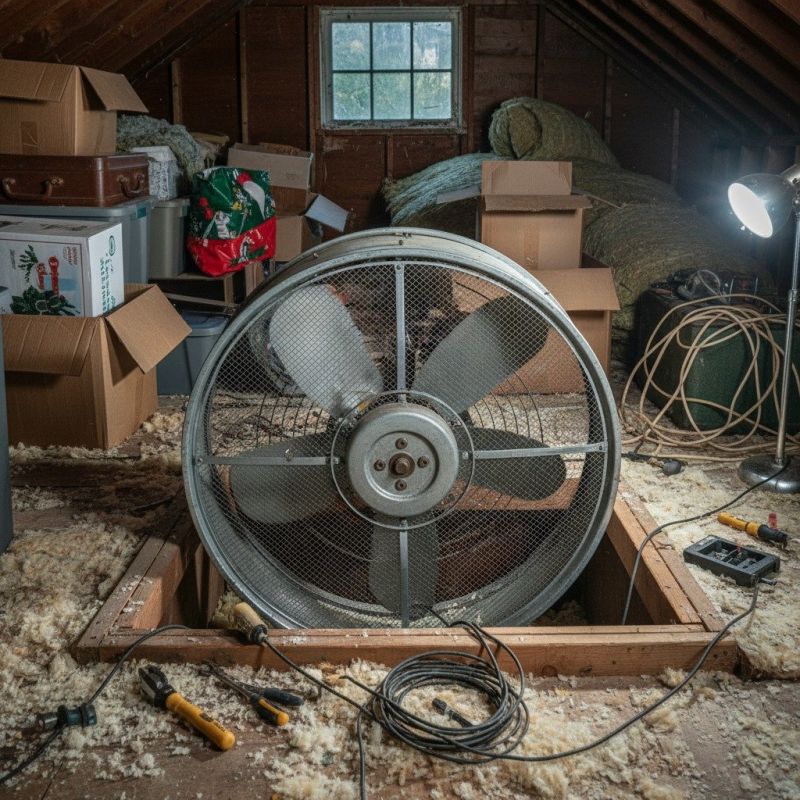
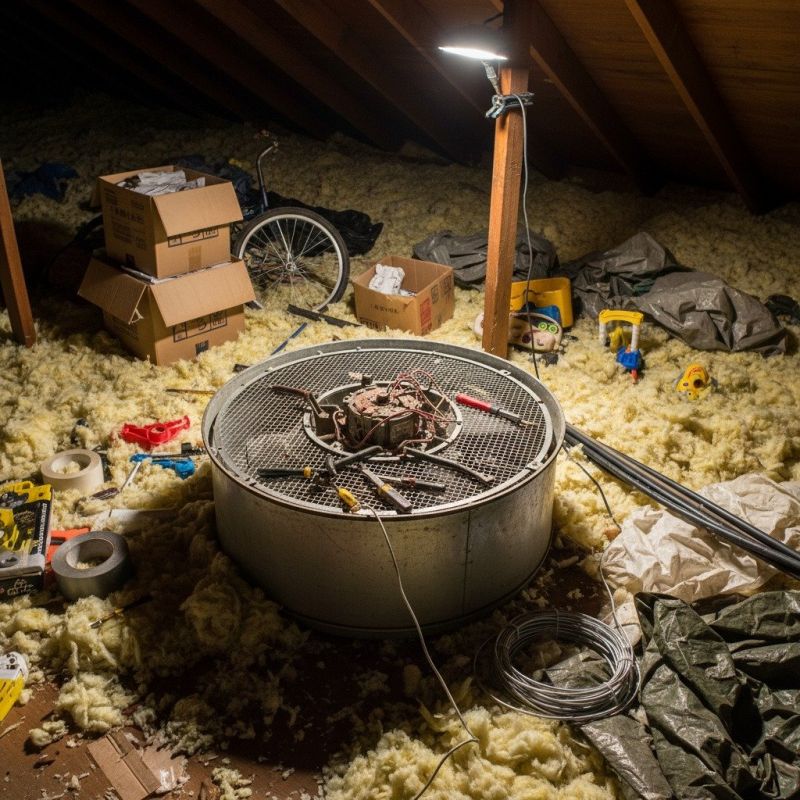
Roof fan repair services address issues related to attic ventilation fans installed on residential roofs. These projects typically involve diagnosing problems such as faulty motors, broken blades, wiring issues, or malfunctioning controls. Homeowners often request this service when they notice unusual noises, inadequate airflow, increased energy bills, or signs of moisture buildup in the attic. Properly functioning roof fans help regulate temperature and moisture levels, preventing damage to roofing materials and improving indoor comfort.
Before requesting roof fan repair, property owners should understand the type of fan installed, its age, and any specific symptoms or issues observed. Knowing whether the fan is powered by electricity or solar, and whether it’s controlled manually or automatically, can assist in identifying the problem. Clarifying these details helps ensure an accurate diagnosis and effective repair, ultimately restoring proper attic ventilation and protecting the home’s structural integrity.
Many property owners in Provo, UT look into Roof Fan Repair for repairs, replacements, upgrades, and appearance-related improvements.
Roof Fan Troubleshooting
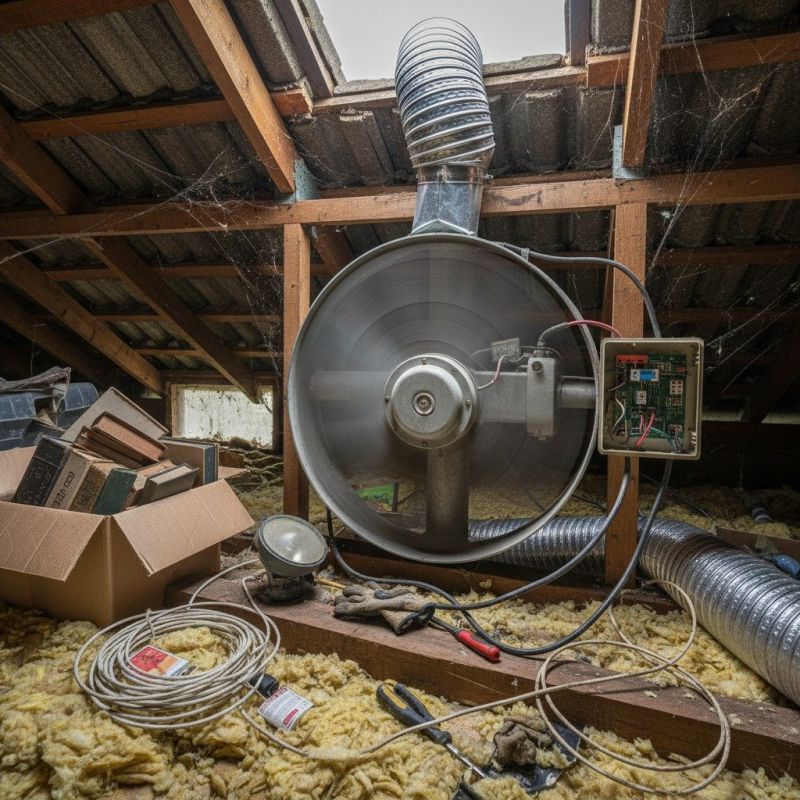
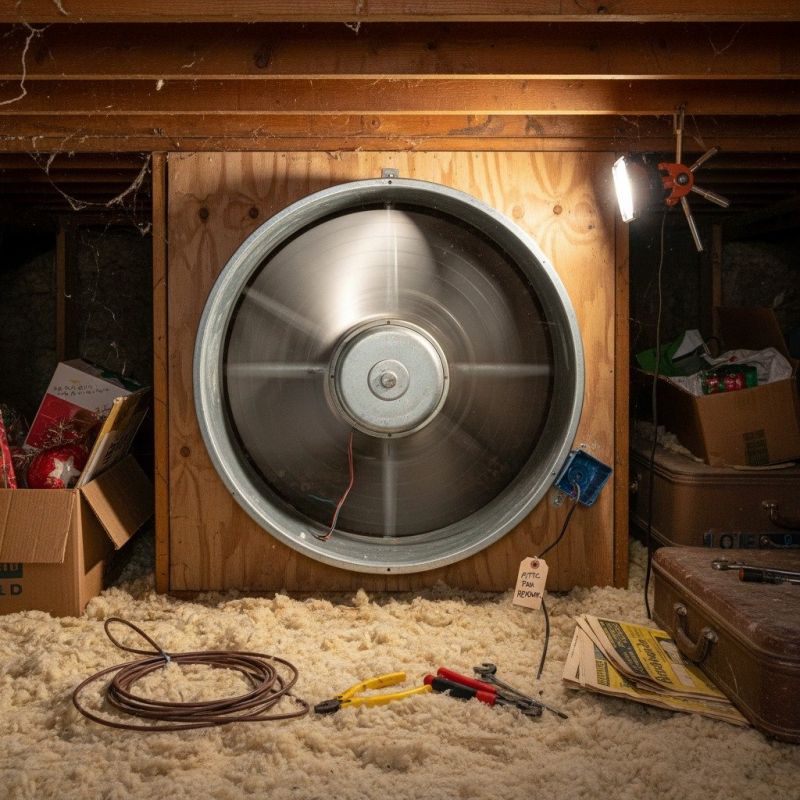
Identifying common signs of roof fan issues can help maintain proper attic ventilation.
Repair And Replacement Options
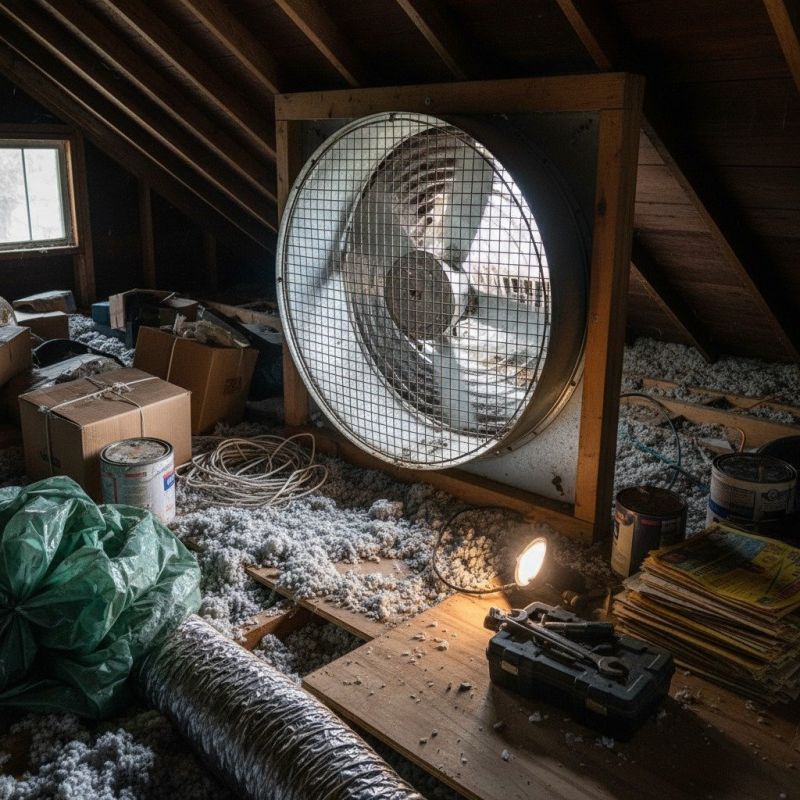
Choosing the right repair or replacement ensures your roof fan functions efficiently and lasts longer.
Maintenance Tips For Longevity
Regular inspections and upkeep can prevent costly repairs and keep your roof fan operating smoothly.
Roof Fan Repair in Provo, UT
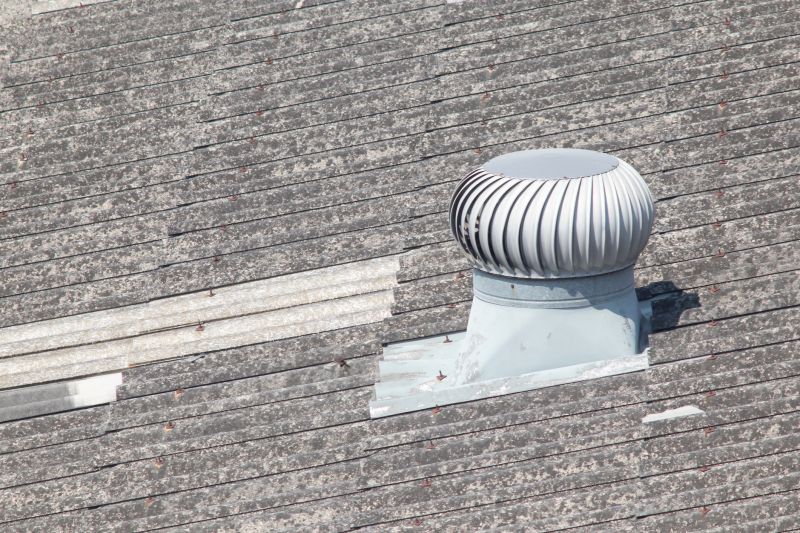
Roof fan repair services address issues related to attic ventilation fans installed on residential roofs. These projects typically involve diagnosing problems such as faulty motors, broken blades, wiring issues, or malfunctioning controls. Homeowners often request this service when they notice unusual noises, inadequate airflow, increased energy bills, or signs of moisture buildup in the attic. Properly functioning roof fans help regulate temperature and moisture levels, preventing damage to roofing materials and improving indoor comfort.
Before requesting roof fan repair, property owners should understand the type of fan installed, its age, and any specific symptoms or issues observed. Knowing whether the fan is powered by electricity or solar, and whether it’s controlled manually or automatically, can assist in identifying the problem. Clarifying these details helps ensure an accurate diagnosis and effective repair, ultimately restoring proper attic ventilation and protecting the home’s structural integrity.
Many property owners in Provo, UT look into Roof Fan Repair for repairs, replacements, upgrades, and appearance-related improvements.
Common Roof Fan Repair Jobs
Roof Fan Repair - Restores proper ventilation to prevent heat buildup and moisture issues.
Ceiling Fan Troubleshooting - Identifies and fixes issues with fan operation or noise.
Motor Replacement - Replaces faulty motors to ensure smooth and efficient fan performance.
Blade Repair or Replacement - Fixes or replaces damaged blades to improve airflow and safety.
Control and Switch Repairs - Restores proper functioning of fan controls and switches.
Electrical Connections - Ensures safe and secure wiring for reliable fan operation.
Roof Fan Repair Questions
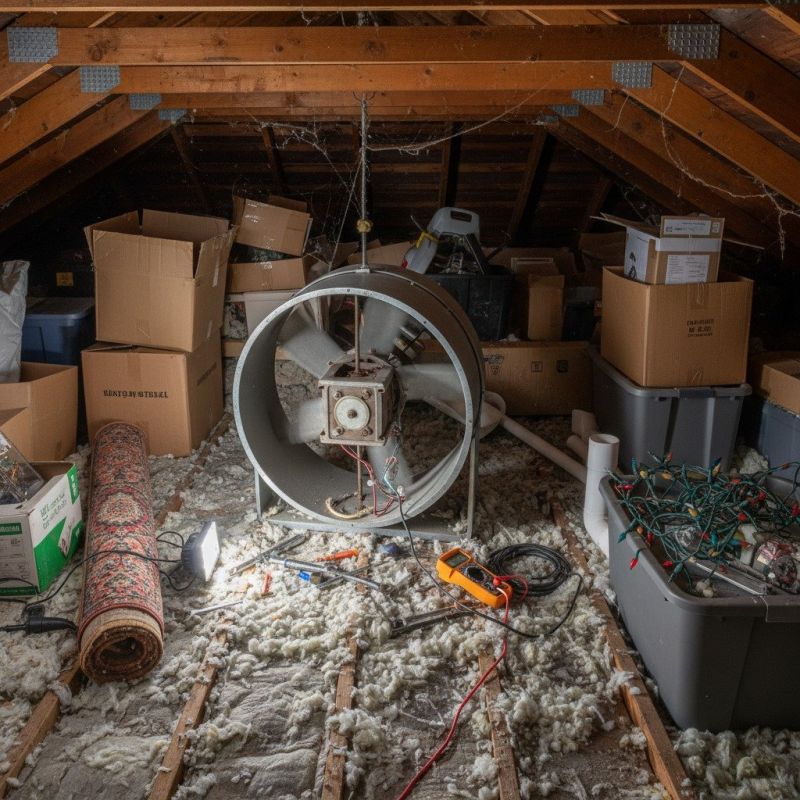
What are common signs that a roof fan needs repair? Signs include unusual noises, decreased airflow, or increased energy bills indicating the fan is not functioning properly.
Can roof fan repairs improve energy efficiency? Yes, fixing or replacing a faulty roof fan can help maintain proper attic ventilation and reduce energy costs.
What types of roof fan issues are typically repaired? Common repairs involve motor problems, damaged blades, or electrical connections that have worn out over time.
Is it necessary to replace a roof fan instead of repairing it? Replacement is recommended when the fan is extensively damaged or no longer operates efficiently after repairs.
Request Roof Fan Repair in Provo, UT
Use the quote form on this page to share the basics of your project and request more information for the type of work you need.